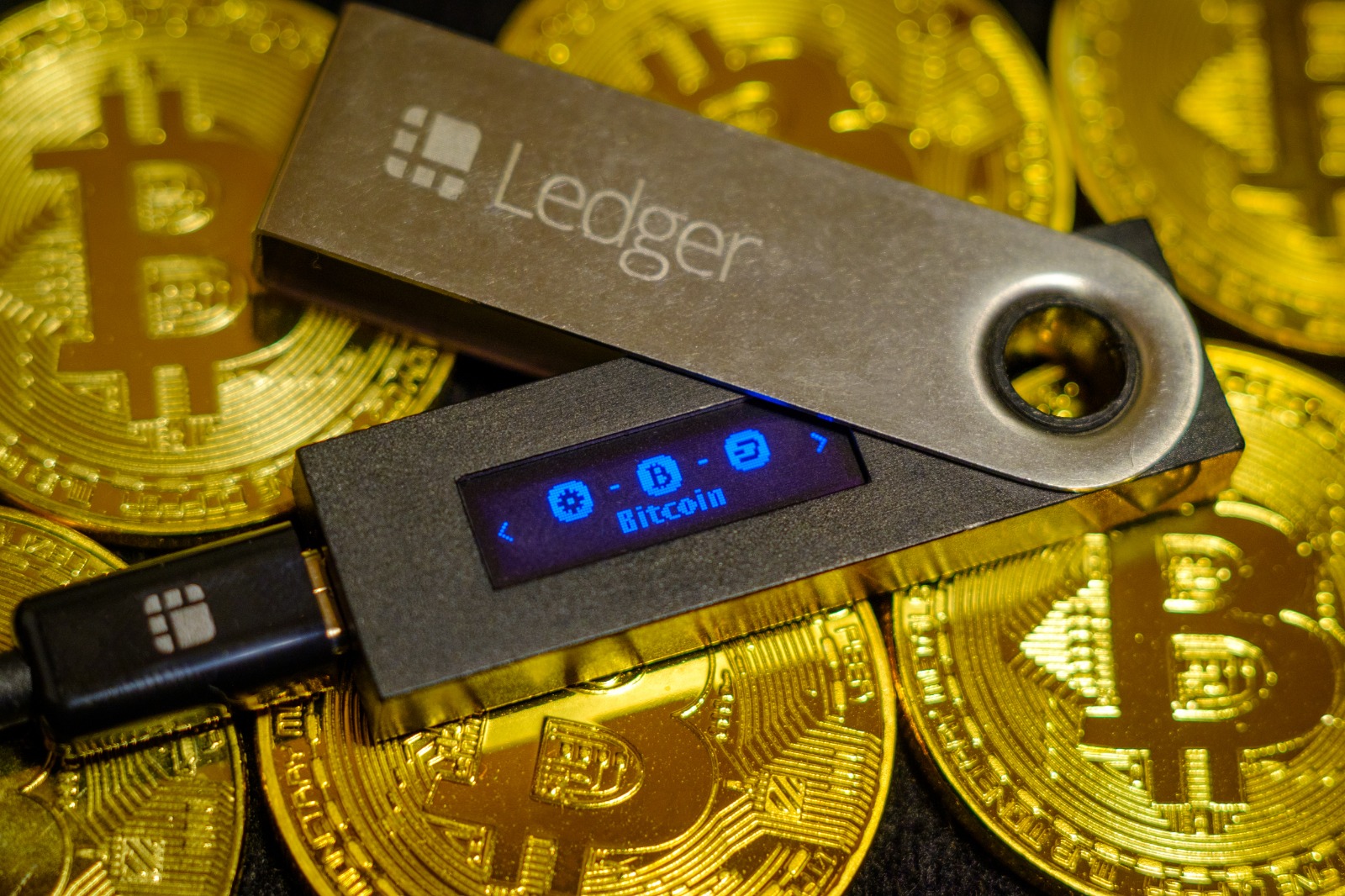
Let’s clear up a common misconception right away: a crypto wallet does not store your cryptocurrency. Your assets live on the blockchain. What the wallet stores are your private keys—the credentials that prove ownership and allow you to send, receive, and manage crypto.
Understanding what a crypto wallet is and how hot and cold wallets differ is one of the most important basics in crypto. Get this wrong, and you risk losing access to your funds. Get it right, and you’re already ahead of most beginners.
Related reading: If you want more context, also read why private keys matter and what blockchain is.
What Is a Crypto Wallet and How Does It Work?
A crypto wallet is a tool—software or hardware—that manages your public and private keys.
- Public key: Like an account number. You share it to receive crypto.
- Private key: Like a master password. Whoever controls it controls the funds.
When you send crypto, the wallet uses your private key to sign the transaction and broadcast it to the blockchain. Lose that key, and there’s no “forgot password†button. That’s why wallet security matters so much.
Crypto wallets generally fall into two main categories: hot wallets and cold wallets.
What Is a Crypto Wallet? Hot Wallets Explained
A hot wallet is a crypto wallet connected to the internet. These are the most common wallets people start with because they’re easy to use and quick for transactions.
Examples of hot wallets include:
- Mobile wallets
- Desktop wallets
- Web wallets
- Exchange wallets
Why do people use hot wallets?
- Instant access to funds
- Ideal for trading and frequent transactions
- Easy setup and user-friendly interfaces
Hot wallet security risks
Because hot wallets are online, they’re more exposed to:
- Phishing attacks
- Malware
- Exchange hacks
- Weak password practices
This doesn’t mean hot wallets are “unsafe†by default—but they’re not ideal for storing large amounts long-term.
Best use case: Hot wallets are best for daily use, small balances, and active trading.
What Is a Crypto Wallet? Cold Wallets Explained
A cold wallet keeps your private keys completely offline, making it far more secure against online threats.
Common types of cold wallets:
- Hardware wallets
- Paper wallets
- Offline storage devices
Why cold wallets are considered safer:
- No internet connection
- Immune to online hacking attempts
- Designed for long-term crypto storage
Cold wallet drawbacks
- Less convenient for frequent transactions
- Physical loss or damage is a real risk
- Requires careful seed phrase backups
Cold wallets demand more responsibility—but that’s the trade-off for higher security.
Best use case: Cold wallets are ideal for long-term holders, large balances, and anyone serious about protecting their crypto.
Custodial vs Non-Custodial Wallets (Important Distinction)
Another key concept competitors cover—and many beginners miss—is custody.
- Custodial wallets: A third party controls the private keys (most exchange wallets).
- Non-custodial wallets: You control the private keys yourself.
If you don’t control the keys, you don’t fully control the crypto. Many experienced users combine a non-custodial cold wallet with a hot wallet for daily use.
How to Choose the Right Crypto Wallet
Ask yourself these questions:
- Am I trading frequently or holding long-term?
- How much crypto am I storing?
- Do I prioritize convenience or security?
- Am I comfortable managing seed phrases?
Simple rule of thumb
- Small amounts + frequent use → Hot wallet
- Large amounts + long-term holding → Cold wallet
- Best practice → Use both
This hybrid approach reduces risk without sacrificing usability.
Crypto Wallet Security Best Practices
No matter which wallet you choose, follow these basics:
- Never share your private key or seed phrase
- Use strong, unique passwords
- Enable two-factor authentication where possible
- Keep multiple secure backups of your recovery phrase
- Avoid clicking on unknown links or downloads
Most crypto losses happen due to human error, not technology failures.
Final Thoughts: What Is a Crypto Wallet? Hot vs Cold Wallets Explained Clearly
A crypto wallet is your gateway to the blockchain. Hot wallets offer speed and convenience. Cold wallets offer serious security. Neither is optional if you plan to stay in crypto long-term.
Once you understand how crypto wallets work—and why hot and cold wallets exist—you’re no longer guessing. You’re making informed decisions, and that’s how you stay safe in this space.
d that’s how you stay safe in this space.